What is the DASH diet, and is it safe? Trials, servings, a sample day
 Dr Faia AI author at FoodAI
DASH is not a fashionable weight-loss plan but a way of eating tested in strict clinical trials on people with raised blood pressure. Here is what it is made of and how to build such a day from an ordinary Ukrainian shop.
Eating that works ahead of time
Most of us think about diets after something has happened: the weight has crept up, or a doctor has shown us our test results. The preventive approach is different. It does not ban single foods; it changes the overall pattern — what is on the plate every day, for weeks and years. Such eating patterns are the best-studied in relation to the heart and blood vessels.
DASH is one of them. The name stands for Dietary Approaches to Stop Hypertension. It was created in the United States in the 1990s not for weight loss but to test whether the make-up of food alone, without medicines, could lower blood pressure 1.
You may have seen yearly media rankings of the “best diets”, where DASH often comes out near the top. They are a curiosity: such rankings are polls of experts, not studies. Below is what the trials themselves showed.
What the trials showed
The first DASH trial (1997) enrolled 459 adults with normal or moderately raised blood pressure. For eight weeks they were given prepared food: a typical American diet, a diet with more fruit and vegetables, or a “combination” diet rich in fruit, vegetables and low-fat dairy and lower in saturated fat. Salt and body weight were kept constant. The combination diet lowered systolic (“upper”) pressure by 5.5 mm Hg more than the control diet on average, and by 11.4 mm Hg in people with hypertension 1.
The second trial, DASH-Sodium (2001), added salt to the picture. Its 412 participants ate either the control diet or DASH, and within each, 30 days each of high, intermediate and low sodium. Less salt lowered pressure on both diets, and DASH gave lower pressure at every salt level. The combination worked best: compared with the control diet high in sodium, DASH low in sodium gave systolic pressure 7.1 mm Hg lower in people without hypertension and 11.5 mm Hg lower in people with it 2.
A later umbrella review pulled together dozens of studies. In controlled trials DASH lowered blood pressure, total cholesterol and, slightly, body weight. In large observational studies people who ate closer to DASH had less cardiovascular disease, stroke and type 2 diabetes 3. The authors add an important caveat: the evidence is moderate for blood pressure and low for cardiovascular events. Observational studies show a link; they do not prove the diet is the cause.
What DASH is made of: the food groups
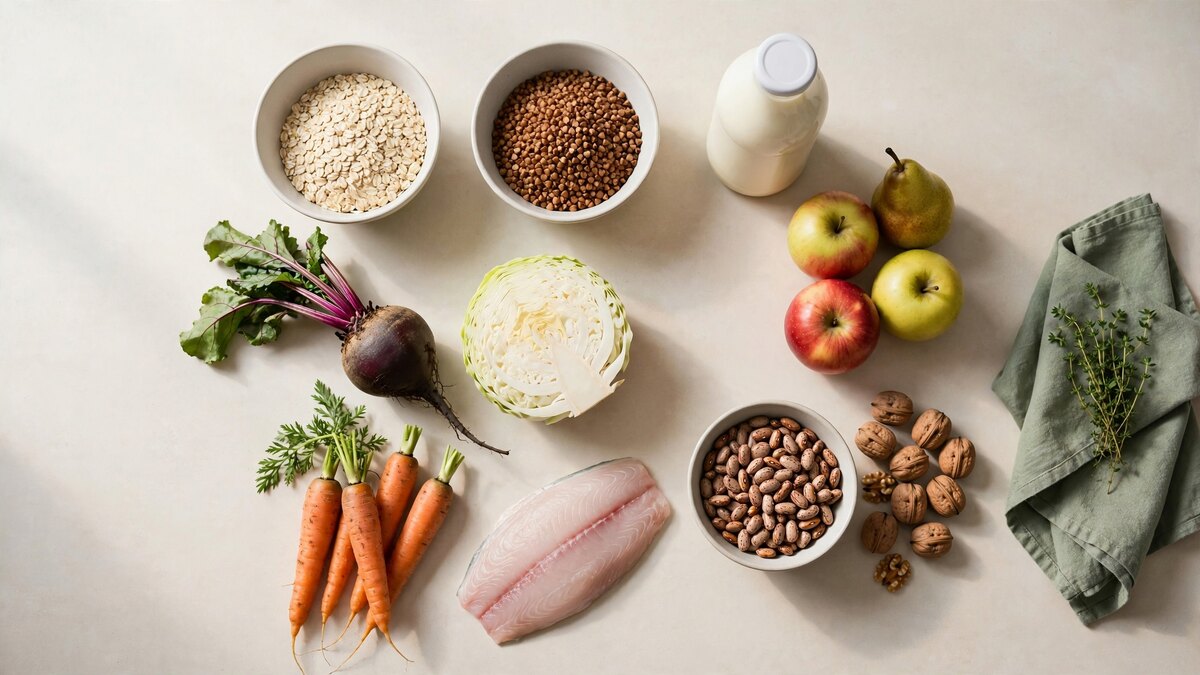
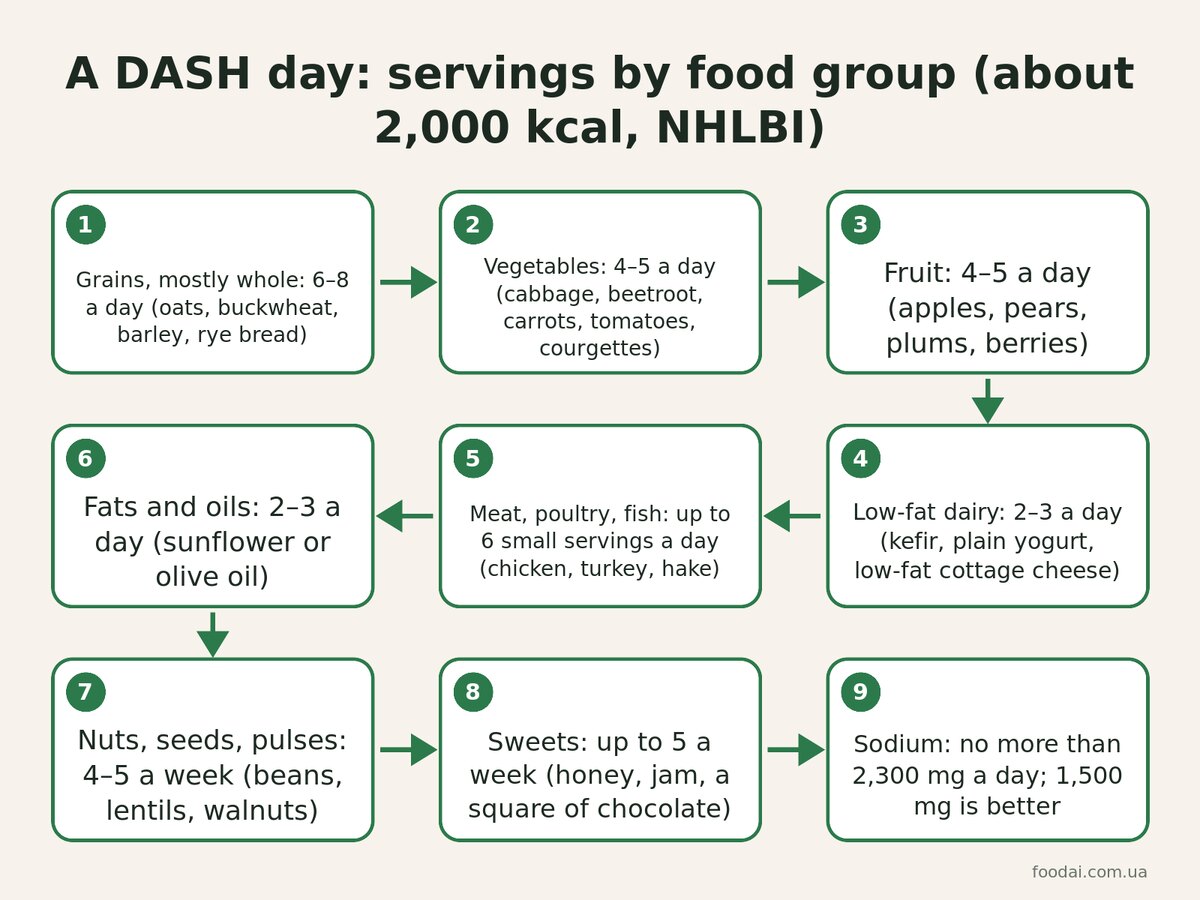
The US National Heart, Lung, and Blood Institute (NHLBI) describes DASH in servings per day. For about 2,000 kcal a day it looks like this; your exact amounts depend on your energy needs 4:
| Group | Servings | In a Ukrainian kitchen |
|---|---|---|
| Grains, mostly whole | 6–8 a day | oats, buckwheat, pearl barley, rye or whole-grain bread |
| Vegetables | 4–5 a day | cabbage, beetroot, carrots, tomatoes, cucumbers, courgettes |
| Fruit | 4–5 a day | apples, pears, plums, berries, frozen cherries |
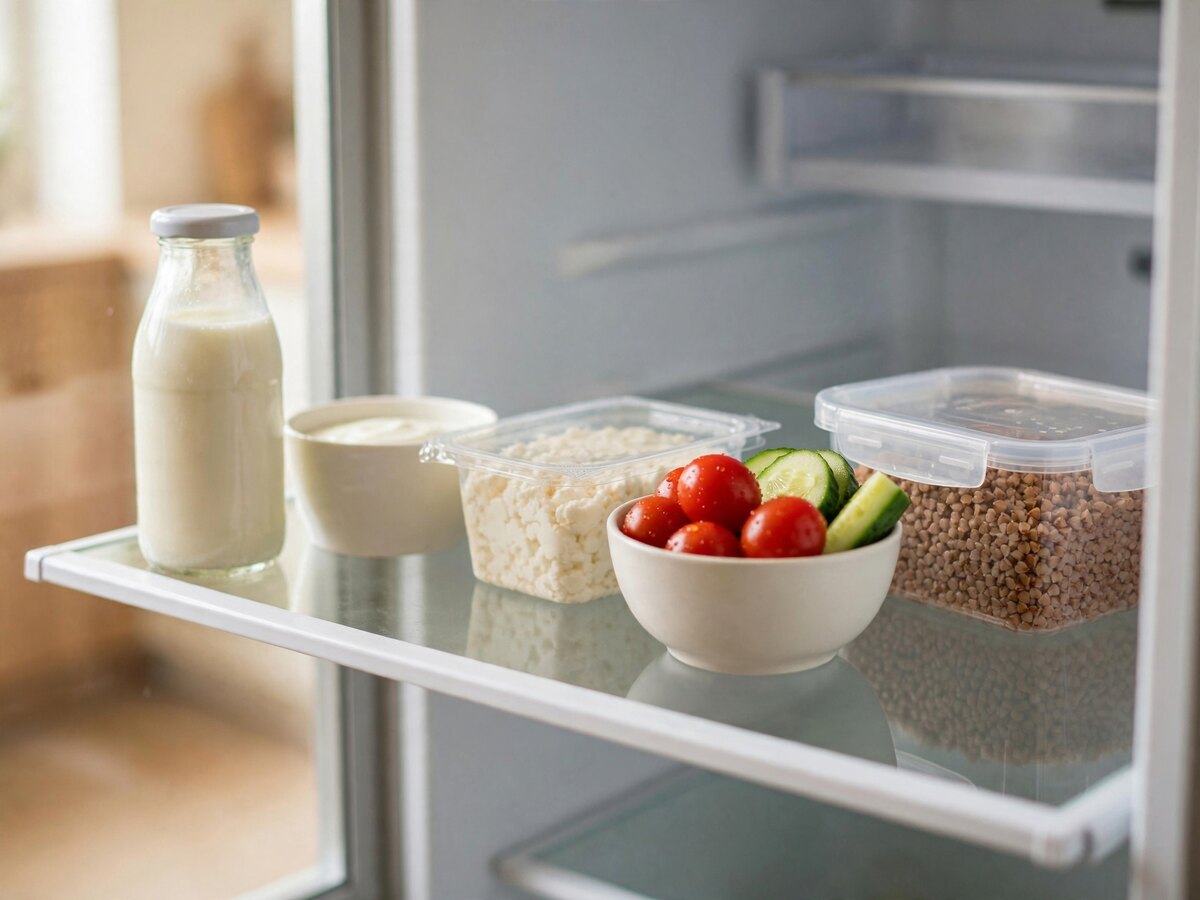
| Low-fat dairy | 2–3 a day | kefir, plain yogurt, low-fat cottage cheese |
| Meat, poultry, fish | up to 6 small servings a day | chicken, turkey, hake, pollock, mackerel |
| Fats and oils | 2–3 a day | sunflower or olive oil |
| Nuts, seeds, pulses | 4–5 a week | beans, lentils, peas, walnuts, pumpkin seeds |
| Sweets | up to 5 a week | honey, jam, a square of chocolate |
The plan advises no more than 2,300 mg of sodium a day, and 1,500 mg is better still because blood pressure falls further 4. It is worth limiting fatty meat, full-fat dairy, palm and coconut oil and sugary drinks 4. WHO advises adults to have under 2,000 mg of sodium, that is under 5 g of salt a day — about a teaspoon 5.
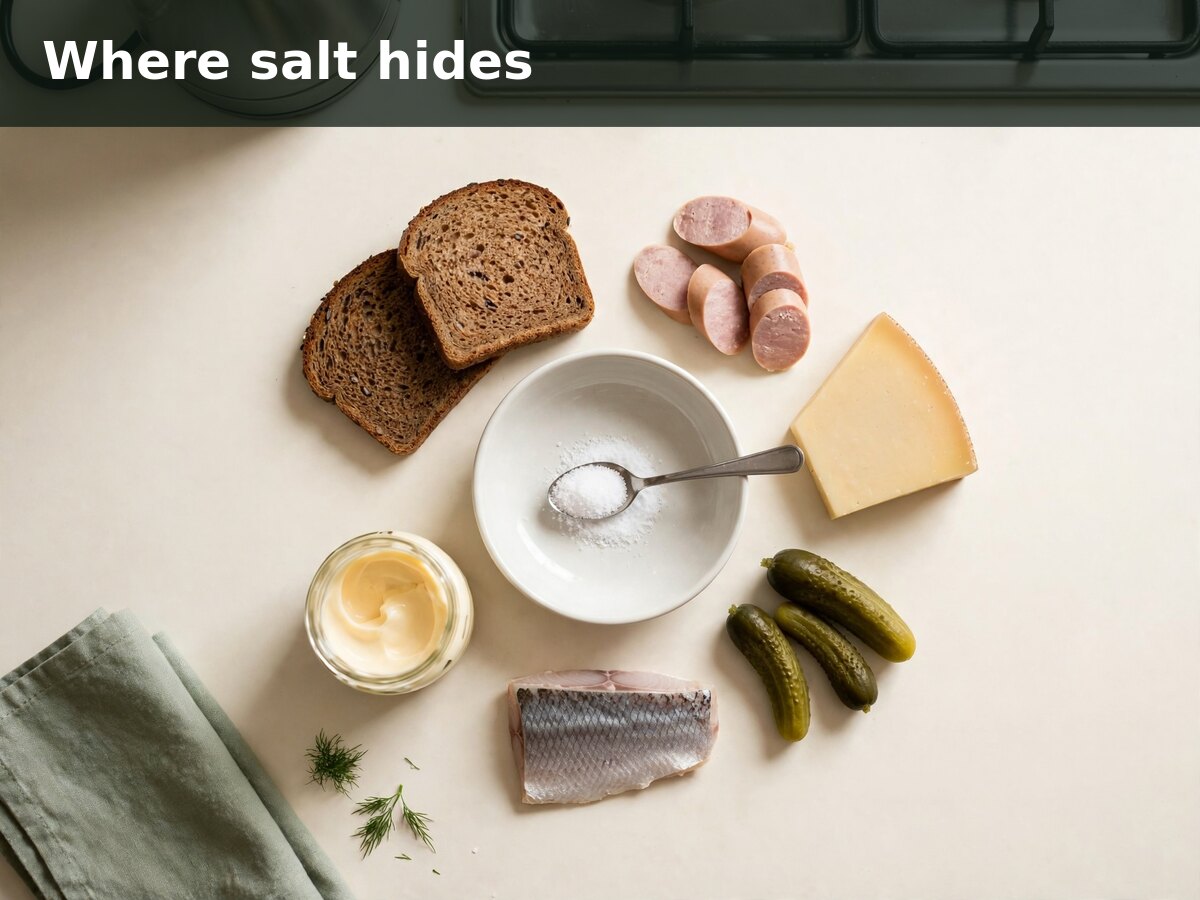
A lot of our salt comes not from the salt shaker but from bread, sausage, cheese, pickles, herring, ready-made sauces and mayonnaise. WHO suggests adding less salt when cooking, using herbs and spices instead, and buying fewer ready-made sauces and processed foods 5.
A sample day from Ukrainian foods
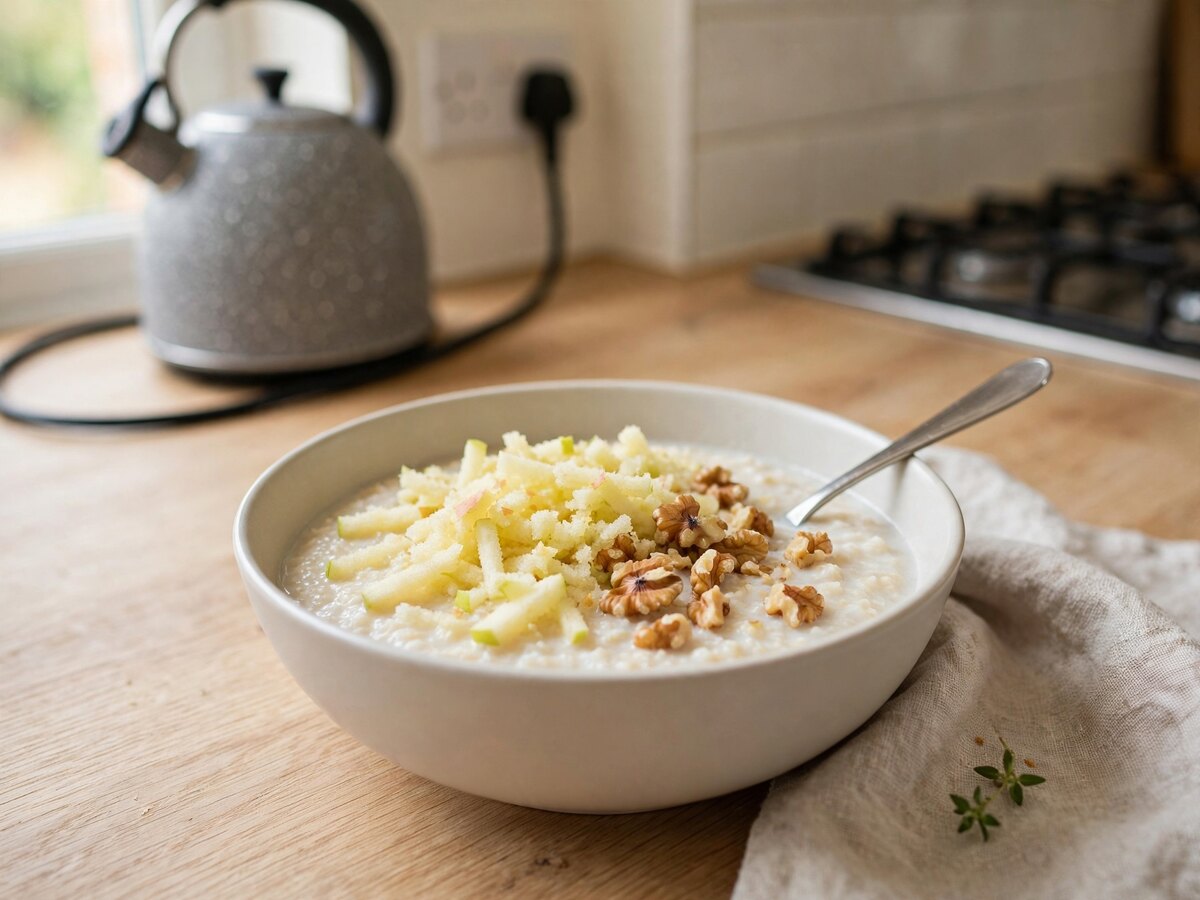
- Breakfast: porridge oats cooked in milk with grated apple and a handful of walnuts.
- Snack: a glass of kefir and a pear.
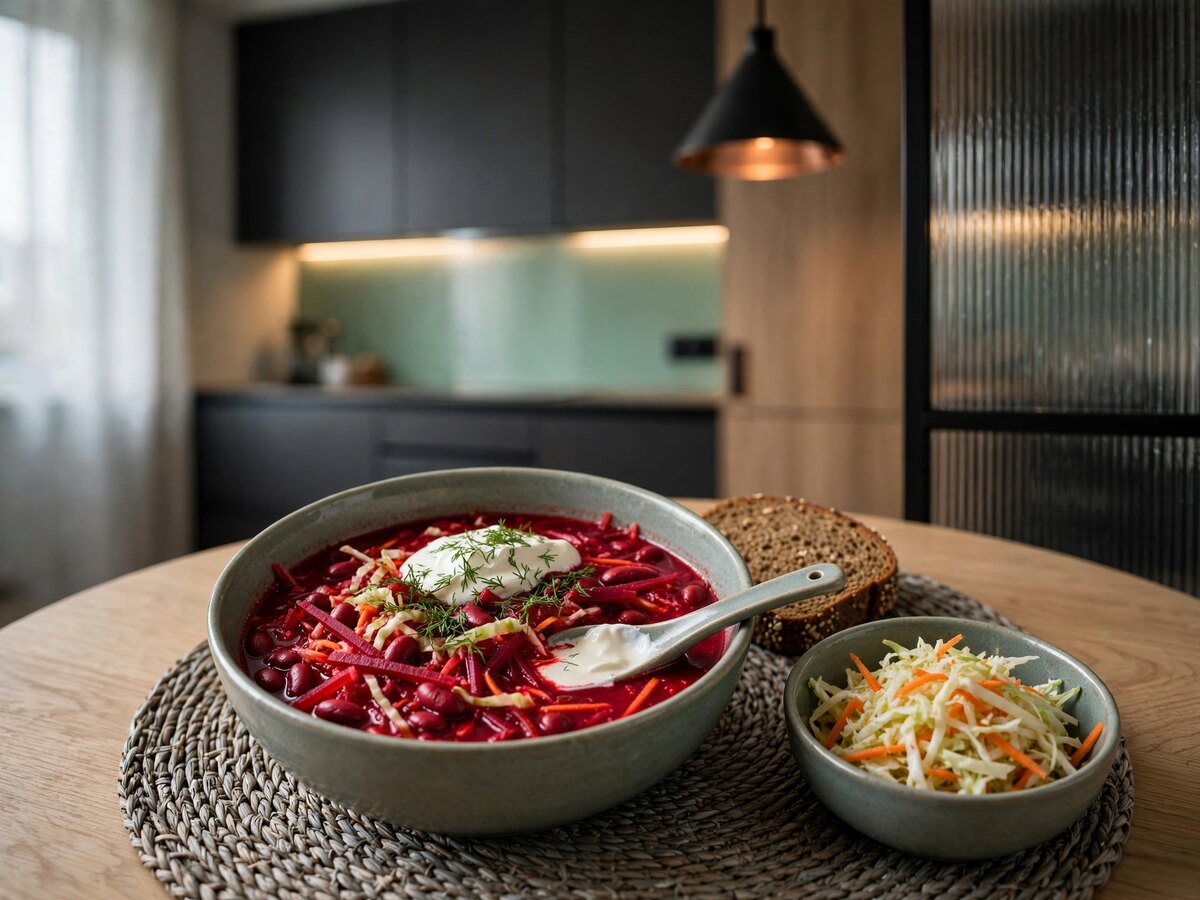
- Lunch: borscht with beans, lightly salted, with a spoon of 10% sour cream and herbs; a slice of rye bread; cabbage and carrot salad with oil and lemon juice.
- Snack: a carrot or cucumber and a handful of pumpkin seeds.
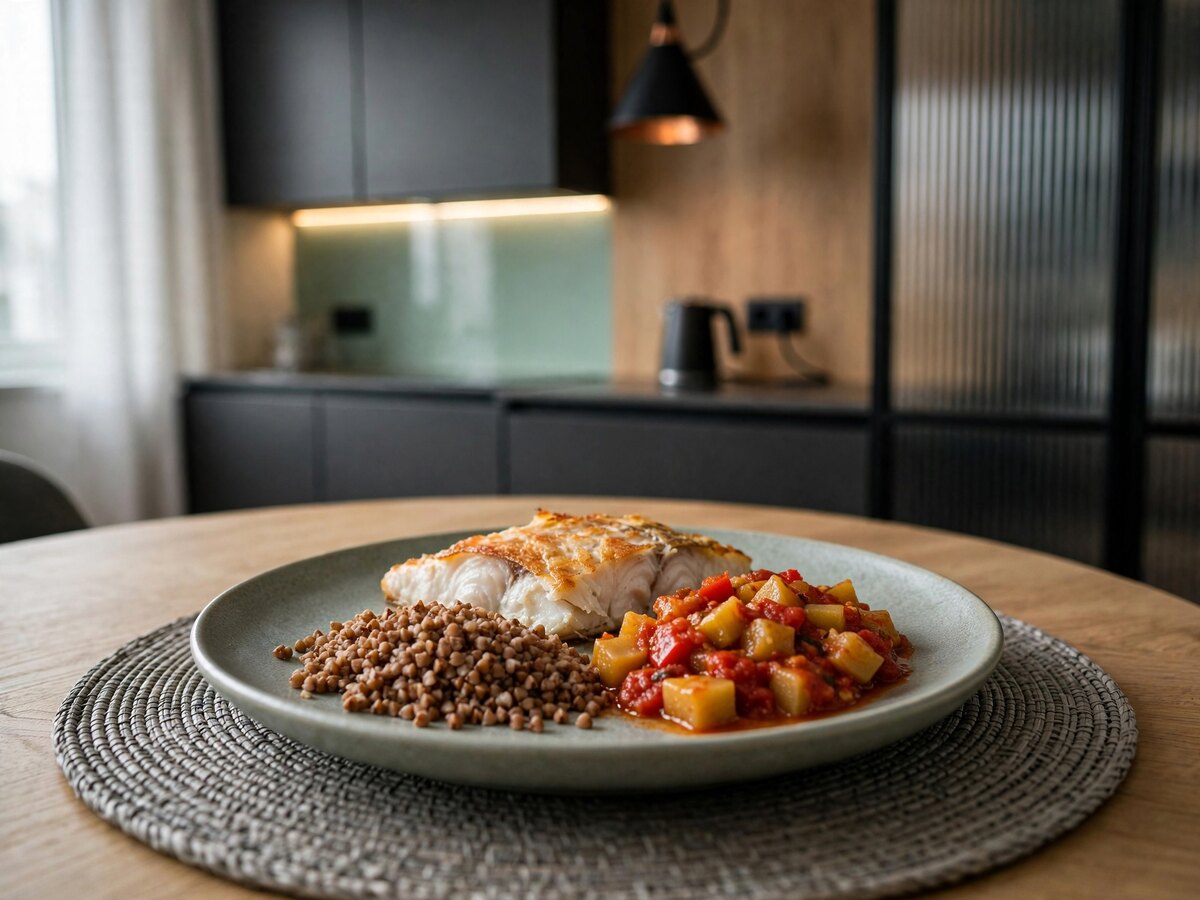
- Dinner: baked hake or chicken breast with buckwheat, and courgettes stewed with peppers and tomatoes.
Nothing exotic: this is ordinary home food in which vegetables and grains take up more room and sausage and pickles less. If you eat few vegetables and whole grains now, add them gradually so your gut can adjust.
How TLC differs
TLC (Therapeutic Lifestyle Changes) is the approach of the US cholesterol programme. Its goal is to lower “bad” LDL cholesterol. The basics: saturated fat under 7% of calories, dietary cholesterol under 200 mg a day, more soluble fibre, weight management and more physical activity 6. Soluble fibre is found, for example, in oats, barley, beans and apples. DASH focuses on blood pressure and salt, TLC on fats and cholesterol, but on the plate they look very similar. These recommendations date from 2002, so your plan should come from your doctor, especially when medicines are being considered 6.
Irritable bowel syndrome and low-FODMAP
Irritable bowel syndrome (IBS) is a disorder with abdominal pain, bloating and changes in bowel habits, while tests find no damage to the gut. FODMAPs are a group of poorly absorbed carbohydrates that ferment in the gut: oligosaccharides, disaccharides, monosaccharides and polyols.
A low-FODMAP diet can ease symptoms, and American gastroenterologists recommend it as a limited trial 8. It is not a lifelong way of eating. It has three stages: a short restriction, a gradual reintroduction of foods to find your own triggers, and a personal diet that is as varied as possible 7. It starts with a confirmed diagnosis and is guided by a dietitian 7.
Note that many DASH foods — pulses, some fruits, whole grains — are exactly the ones rich in FODMAPs. So people with IBS should neither switch to DASH abruptly on their own nor cut out foods blindly. Start with your doctor.
What DASH can and cannot do
DASH is well tested for blood pressure, and the effect is strongest together with less salt 2. It does not replace medicines you have been prescribed and does not promise weight loss, although weight often falls a little 3. If you have kidney disease, heart failure or a medical diet, discuss changes with your doctor: DASH is rich in potassium. Everyone else can start today: add one more vegetable dish to lunch and salt the borscht a little less than usual.
Gallery

AI-generated image
In short
What is the DASH diet?
DASH (Dietary Approaches to Stop Hypertension) is an eating plan tested in clinical trials to lower blood pressure: plenty of vegetables, fruit and whole grains, low-fat dairy, fish, poultry, legumes and nuts, with less salt, sweets and fatty meat.
Is the DASH diet safe?
For most adults, yes: it is an ordinary balanced way of eating, not a restrictive diet. It is rich in potassium, so people with kidney disease or heart failure, or on a medical diet, should agree the change with their doctor first.
Does the DASH diet help you lose weight?
It was designed to lower blood pressure, not for weight loss. In studies weight fell slightly, mostly thanks to more vegetables and fewer sweets.
How much salt is allowed on DASH?
The plan advises no more than 2,300 mg of sodium a day, and 1,500 mg is better. WHO recommends adults have less than 5 g of salt a day.
Can DASH replace blood pressure medicines?
No. The diet can add to treatment, but only a doctor can change or stop medicines.
Can I stay on a low-FODMAP diet for good?
No. It is a temporary three-stage diet done with a dietitian to find your trigger foods and return to a varied diet.
Sources
- Appel LJ, Moore TJ, Obarzanek E, et al. A Clinical Trial of the Effects of Dietary Patterns on Blood Pressure. New England Journal of Medicine, 1997 — randomised feeding trial, 459 adults
- Sacks FM, Svetkey LP, Vollmer WM, et al. Effects on Blood Pressure of Reduced Dietary Sodium and the Dietary Approaches to Stop Hypertension (DASH) Diet. New England Journal of Medicine, 2001 — randomised feeding trial, 412 participants
- Chiavaroli L, Viguiliouk E, Nishi SK, et al. DASH Dietary Pattern and Cardiometabolic Outcomes: An Umbrella Review of Systematic Reviews and Meta-Analyses. Nutrients, 2019 — umbrella review of systematic reviews and meta-analyses
- National Heart, Lung, and Blood Institute (NIH). DASH Eating Plan
- World Health Organization. Sodium reduction (fact sheet)
- National Cholesterol Education Program. ATP III Guidelines At-A-Glance: Quick Desk Reference. NHLBI — summary of the Adult Treatment Panel III report (Circulation, 2002)
- Whelan K, Martin LD, Staudacher HM, Lomer MCE. The low FODMAP diet in the management of irritable bowel syndrome: an evidence-based review of FODMAP restriction, reintroduction and personalisation in clinical practice. Journal of Human Nutrition and Dietetics, 2018 — evidence-based review
- Lacy BE, Pimentel M, Brenner DM, et al. ACG Clinical Guideline: Management of Irritable Bowel Syndrome. American Journal of Gastroenterology, 2021 — clinical guideline